




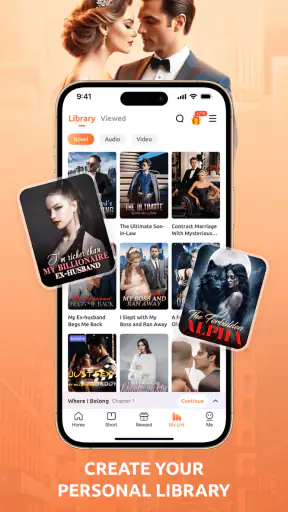
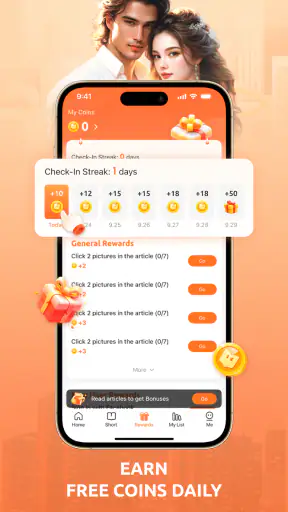
I opened PickNovel - Novels & Stories expecting a straightforward reading app, and that is largely what it is: a mobile library built around serialized fiction and casual reading sessions. It belongs to Books & Reference, comes from RUIPAI, and is free to install. The important distinction is that “free” describes the download, while the app also lists in-app purchases ranging from $0.99 to $299.99 per item. That makes the reading experience worth examining carefully rather than assuming every part of the catalog costs nothing.
My overall impression is that PickNovel is best suited to readers who enjoy discovering ongoing stories, reading in short bursts, and following a familiar mobile-fiction rhythm. It is less convincing as a replacement for a traditional ebook reader, a public-domain library, or a carefully curated bookstore app. The appeal is convenience and variety, but the trade-off is that the value of any particular story depends heavily on how much of it is accessible without payment and how comfortable you are with the app’s purchase model.
How PickNovel fits into everyday reading
The app’s store summary, “Quality Novels Anytime,” points to its main purpose: keeping fiction available whenever you have a spare moment. In practice, that means it makes sense on a phone rather than a dedicated reading device. I can imagine using it while waiting for an appointment, during a commute, or before bed when I want a story that is easier to pick up and put down than a long printed novel.
That short-session design is one of its strongest qualities. A serialized novel does not demand that I remember exactly where I left off after several days away. I can read a little, stop, and return later without treating the activity like a major project. For readers who already enjoy web fiction or episodic storytelling, this format feels natural. For someone who prefers a complete, edited book in one purchase, the same structure may feel less satisfying.
PickNovel is also clearly aimed at mature readers. Its content rating is Mature 17+, so I would not install it on a child’s device or recommend handing it to a younger reader without checking the material personally. That rating matters because “novels and stories” covers a wide range of themes, and a mature designation is a practical warning to consider the intended audience before browsing.
The app has been available since April 21, 2019, and its current version is 5.2.4. It supports Android 6.0 and later, which gives it a relatively broad reach among Android phones that are still in use. I would still check the device’s available storage and operating-system compatibility before installing, especially on an older phone, but the minimum Android requirement is not especially demanding.
What the free download really gives you
There is no charge to download PickNovel, which makes trying it low-risk in the narrow sense of installation cost. I could browse the experience before deciding whether its writing style, catalog, and reading flow suit me. That is useful because serialized fiction is personal: a large selection is not much help if the available stories do not match your preferred genres or pacing.
However, I would not interpret the free download as a promise of unlimited free reading. The app includes purchases priced from $0.99 to $299.99 per item. Those figures describe the available purchase range, not a guarantee that every reader will spend money or that every story follows the same unlocking pattern. The sensible approach is to read the opening material, identify exactly what becomes restricted, and decide whether continuing is worth the displayed cost before committing.
This is where PickNovel differs from a standard free ebook app. With a public-domain reader, the central question is usually whether the catalog contains the title you want. With a subscription service, the question is whether the monthly fee covers enough of your reading. With PickNovel, the practical question is more granular: how much of this particular story can I read freely, and what payment is requested when I reach the next section?
I would also avoid making a purchase simply because I have already invested time in a story. That is the sunk-cost trap common to serialized fiction. If the plot has become repetitive or the writing no longer holds my attention, the fact that I have read many chapters is not a good reason to keep paying. The free entry point is valuable precisely because it lets me test the story first.
Where the app earns its place
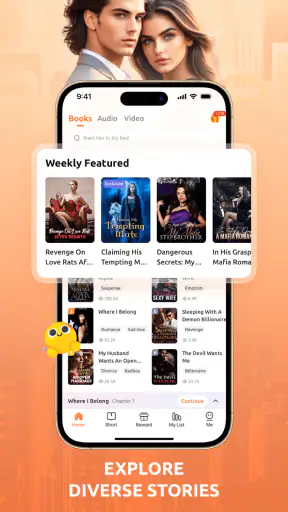
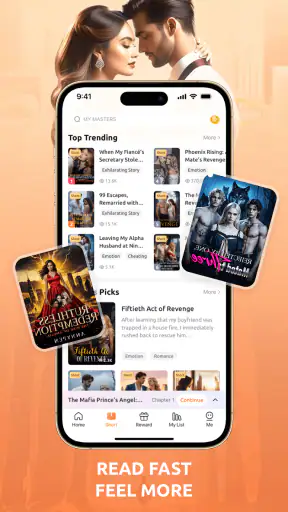
The biggest value is discovery. PickNovel gives a reader a dedicated place to browse fiction rather than searching the wider internet for individual stories. That reduces friction when I know I want something to read but do not yet know the title. It is especially useful for people who enjoy trying unfamiliar authors and premises instead of returning only to books they already own.
Another strength is the fit between serialized fiction and fragmented time. I can use a short reading session as a break without carrying a physical book or opening a general web browser full of distractions. The app’s purpose is narrow enough that the next reading choice is usually close at hand. That focus is more useful to me than a broad reference app when my goal is simply to continue a story.
There is also a psychological advantage to episodic reading. Long books can feel demanding when I am tired, while a sequence of shorter sections creates clear stopping points. I can read one part over breakfast, another during a lunch break, and leave the phone without feeling that I abandoned the book halfway through a chapter. Readers who struggle to maintain a traditional reading habit may find that structure encouraging.
For a realistic everyday scenario, imagine someone with a twenty-minute bus ride and an unpredictable schedule. They open PickNovel, continue a story from the last reading session, and stop when they arrive. Later, they can decide whether to keep following that story or sample another one. The app is a good match for that pattern because the value comes from repeated small sessions, not from replacing a full weekend reading experience.
My more useful tip is to treat the first few chapters as a trial period rather than an obligation. Pay attention to whether the story develops beyond its opening hook, whether the chapter length suits your routine, and whether the app’s purchase prompts arrive at a point that feels reasonable to you. This prevents a promising premise from turning into an expensive habit before you know whether the writing is consistent.
Reading habits that make the experience better
I would build a small personal shortlist instead of opening every new story that looks interesting. Serialized fiction can produce a crowded reading queue very quickly, and too many unfinished titles make the app feel like a task list. Keeping only a few active stories helps me judge which ones deserve continued attention and which ones were merely appealing at first glance.
A second useful habit is to separate “I want to know what happens” from “I enjoy how this is written.” Those are not always the same thing. A cliffhanger can make me curious enough to continue, but curiosity alone should not determine whether I spend money. I would use the free sections to evaluate dialogue, pacing, character development, and whether the story feels edited enough for my standards.
It is also worth reading when you are most alert. Some serialized stories rely on quick plot movement and are easy to follow in short bursts, while others introduce many characters or overlapping conflicts. If I read the latter late at night, I may mistake fatigue for poor writing. Trying a story at different times gives a fairer sense of whether the format actually works for me.
Because the app is rated Mature 17+, I would be selective about reading in shared spaces. The rating is not a minor label to ignore; it signals that the catalog may not be suitable for every audience or situation. If you need family-friendly reading, a children’s library or a general-audience ebook service is a safer starting point.
The trade-offs behind the purchase model
The clearest limitation is uncertainty around paid reading. The app is free to install, but the presence of per-item purchases means the total cost can vary according to the stories I choose and how far I want to follow them. A reader who consumes fiction quickly may find individual purchases less predictable than a subscription. Someone who reads only occasionally may prefer paying for one selected story rather than maintaining a recurring service.
The upper end of the listed purchase range is substantial, so I would be particularly careful before confirming any transaction. I would check the exact item, the amount requested, and whether I am paying for a chapter, a bundle, or another form of access shown in the app. I would not assume that a low-cost opening purchase represents the eventual cost of finishing a long story.
This is not an argument that PickNovel offers poor value. It means value has to be judged story by story. If a novel keeps me engaged for weeks and the payment is comfortable, the convenience may justify it. If I want a large number of complete books for a predictable budget, another model may suit me better. A library app, an ebook store with clearly priced complete editions, or a subscription service can be easier to budget.
Serialized reading can also magnify frustration when a story ends a section on a cliffhanger. The emotional pressure to unlock the next part is built into the format, even when the writing is only average. My rule would be simple: never purchase while annoyed, rushed, or determined to resolve a cliffhanger immediately. Close the app, think about whether I genuinely like the story, and return later if it still seems worthwhile.
Another trade-off is curation. A specialized fiction app can offer more discovery than a general ebook shelf, but more choice does not automatically mean better editing or stronger consistency. Readers who care deeply about established publishers, polished formatting, or complete works may prefer conventional ebook platforms. PickNovel is more attractive when the act of exploring serialized stories is itself part of the fun.
Who is most likely to get real value?
I would recommend PickNovel to readers who enjoy mobile fiction, frequent small reading sessions, and the excitement of following a story in stages. It is also a reasonable low-commitment trial for someone who is curious about serialized novels but does not yet know whether the format fits. Since the installation is free, the reader can assess the experience before spending anything.
It may be particularly useful for people who find traditional books too slow to start. A mobile story can provide an immediate entry point, and short sections make progress visible. That does not make it better than a full-length novel, but it serves a different rhythm. If your reading time comes in scattered gaps rather than long quiet evenings, PickNovel’s format may feel more practical.
I would be more cautious recommending it to a reader with a strict monthly entertainment budget. The listed in-app purchase range is wide, and the cost of following several stories may be harder to predict than buying a single ebook. That reader should use the free material as a firm screening stage and stop as soon as the payment terms no longer feel comfortable.
I would also suggest skipping it if your main goal is reference material, textbooks, technical manuals, or a carefully organized collection of public-domain classics. Although it sits in Books & Reference, its identity is clearly centered on novels and stories. A dedicated reference app or ebook library would be a better tool for research and structured nonfiction reading.
Readers under seventeen should not be the target audience because of the Mature 17+ rating. Parents looking for a controlled family reading environment should choose a service designed around age-appropriate catalogs instead. Likewise, anyone who dislikes cliffhangers, ongoing narratives, or paying for access in stages may feel more comfortable with complete books from a conventional store.
How it compares with familiar alternatives
Compared with a typical ebook store, PickNovel feels more like a fiction stream than a shelf of individually finished books. An ebook store is often better when I already know the author or title and want clear ownership and pricing for a complete edition. PickNovel is more appealing when I want to browse, sample, and follow stories that are presented in an episodic way.
Compared with a library lending app, PickNovel offers a different kind of convenience. Library services can be excellent for borrowing complete books without direct purchase, but availability may depend on the participating library and the title. PickNovel avoids that particular borrowing workflow, yet its purchase model means I should pay closer attention to the cost of continuing a story.
Compared with a subscription reading service, PickNovel may work better for occasional readers who do not want another recurring bill. On the other hand, heavy readers often benefit from predictable access to a broad catalog. The better choice depends on whether you read one carefully chosen story at a time or move rapidly through many books.
Compared with reading fiction in a web browser, a dedicated app is more focused and less cluttered. That convenience is real, but it should not be confused with editorial superiority. I would choose PickNovel for a smoother mobile reading routine, not because every story will necessarily meet the standards of a professionally edited print novel.
My verdict after weighing the cost and convenience
PickNovel - Novels & Stories is a credible option for a specific kind of reader: someone who wants fiction on demand, likes serialized storytelling, and is willing to evaluate paid access one story at a time. RUIPAI has positioned it as a mobile reading destination rather than a general-purpose book database, and that focus makes sense for quick, repeat visits.
The app’s average rating is 4.5 from around 8.4 thousand ratings, while the listing also shows over 1 million installs and 385 written reviews. Those figures suggest that many readers have found the concept worthwhile, but they do not replace my advice to test the actual stories you care about. A popular app can still be a poor match for someone who wants complete books, predictable pricing, or family-safe content.
My recommendation is to try it for free, read selectively, and treat every purchase as a separate value decision. Do not build a large paid queue before you know which stories genuinely hold your attention. If you enjoy short reading sessions and the available unlock costs feel fair, PickNovel can become a convenient part of your routine. If you want a transparent library of complete books at a stable cost, I would skip it and choose a traditional ebook store, library service, or subscription alternative instead.
In short, PickNovel delivers its best value through discovery and convenience, not through a blanket promise of unlimited reading. Its free entry makes experimentation easy, its mature audience narrows who should use it, and its wide purchase range demands a little discipline. For me, that makes it worth trying rather than an automatic recommendation: good for curious serialized-fiction readers, but not the right fit for every book lover.


